
Views: 0 Author: Site Editor Publish Time: 2026-09-15 Origin: Site


The industrial shift from reactive troubleshooting to predictive maintenance relies fundamentally on the quality, accuracy, and accessibility of field-level data. Traditional analog transmitters provide single-variable data, leaving operators blind to sensor drift, impending device failure, and process anomalies until unplanned downtime occurs. Manual calibration and routine inspections in hazardous areas drive up operational expenditure and safety risks. Transitioning to a smart pressure transmitter bridges the gap between raw pressure measurement and actionable asset health data. By leveraging embedded diagnostics, digital communication protocols, and emerging AI-driven trend analysis, facilities can execute true predictive care strategies.
Predictive Diagnostics & AI: Smart transmitters continuously monitor their own health and process variables, utilizing pattern recognition to detect sensor drift and plugged impulse lines before they cause system failures.
Multi-Variable Accuracy: Built-in microprocessors enable automated temperature compensation, ensuring high-fidelity data even in fluctuating environmental conditions.
Protocol Integration: Utilizing bi-directional communication (such as HART) allows for remote configuration and monitoring, drastically reducing the need for hazardous field interventions.
Safety and Compliance: Modern units combine advanced digital diagnostics with ruggedized physical builds, ensuring compliance in volatile environments without sacrificing data visibility.
ROI Justification: The initial capital expenditure is offset by reductions in manual calibration hours, minimized unplanned downtime, and extended overall asset lifespan.
Defining predictive care in process control requires a fundamental shift in maintenance philosophy. Facilities must transition from time-based maintenance schedules to condition-based maintenance driven by continuous data analysis. Time-based maintenance forces technicians to check instruments at arbitrary intervals. This wastes labor hours and introduces unnecessary risks when opening process taps. Condition-based maintenance relies on intelligent field devices capable of evaluating their own operational status. They report degradation before a critical failure disrupts the process. We see this shift saving thousands of hours annually in large-scale refining and chemical processing plants.
Purely analog 4-20mA signals suffer from severe limitations in modern industrial environments. They offer one-way communication. They transmit only a single variable representing the primary pressure measurement. This architecture lacks context. If the signal drops or spikes, the control system cannot differentiate between a genuine process anomaly, a severed wire, or internal sensor damage. Operators are left reacting to alarms without diagnostic clarity. You end up sending a technician to the field just to find a loose terminal block.
Microprocessors embedded within smart transmitters digitize the raw sensor signal at the source. This digitization allows the device to process and output multiple variables simultaneously over the same two-wire connection. A single device can measure differential pressure, static pressure, and internal housing temperature concurrently. This multi-variable capability transforms a simple measurement point into a comprehensive monitoring node.
Automated temperature compensation represents a massive advantage of this digitized architecture. Environmental temperature fluctuations cause physical expansion and contraction within the sensor diaphragm and fill fluid. In a traditional analog setup, a sudden drop in ambient temperature during a winter storm can cause the fill fluid to become more viscous, artificially altering the pressure reading. This leads to measurement errors that operators might mistake for actual process changes. Smart devices utilize their internal temperature sensors to apply real-time algorithmic corrections to the pressure reading. The microprocessor references a factory-characterized thermal profile stored in its memory. It calculates the exact compensation factor required for the current ambient conditions. This automated compensation maintains strict accuracy standards across extreme ambient temperature swings. The control system receives reliable data regardless of external weather conditions, direct sunlight exposure, or radiant heat from nearby equipment.
Feature | Traditional Analog Transmitter | Smart Pressure Transmitter |
|---|---|---|
Signal Type | Pure 4-20mA (One-way) | 4-20mA with superimposed digital protocol (Bi-directional) |
Variables Measured | Single (Pressure only) | Multi-variable (Pressure, Temperature, Static Pressure) |
Diagnostics | None (Blind to internal faults) | Advanced (Sensor health, memory checksums, process noise) |
Calibration | Manual zero/span adjustments at the device | Remote configuration and automated drift detection |
Maintenance Approach | Reactive / Time-based intervals | Predictive / Condition-based alerts |
The foundation of predictive care lies in the continuous execution of internal self-diagnostics. Modern intelligent transmitters run background checks on their own hardware and software integrity thousands of times per second. They monitor sensor capacitance. They verify memory checksums. They track electronic housing temperatures. If moisture breaches the casing or a sensor diaphragm begins to degrade, the transmitter flags the specific error code locally. It transmits an alert to the asset management system. Technicians can replace the unit during a scheduled outage rather than scrambling during an emergency shutdown.
Process diagnostics extend this visibility beyond the instrument itself and into the pipeline. Statistical Process Monitoring analyzes the baseline noise signature of the pressure signal. Every fluid process generates a unique high-frequency noise profile. Turbulence, pump strokes, or valve positioning cause this noise. In a healthy system, this noise maintains a consistent standard deviation. When an impulse line becomes plugged with debris, scale, or frozen fluid, this noise profile flattens out. The physical blockage acts as a dampener, filtering out the high-frequency process noise. The smart transmitter detects this reduction in signal standard deviation. It alerts operators to the plugged line long before the primary pressure reading drifts out of tolerance. This early warning allows maintenance teams to schedule a line blowdown or heat trace inspection before the control system loses visibility of the process variable.
Embedded algorithms analyze historical pressure trends to detect micro-anomalies. By establishing a baseline of normal operation, the device identifies subtle deviations. These deviations indicate impending mechanical issues, such as a deteriorating pump seal or fluid agitation. This trend analysis enables adaptive calibration. The system recommends calibration only when the sensor exhibits actual drift. You no longer adhere to a rigid, unnecessary calendar schedule.
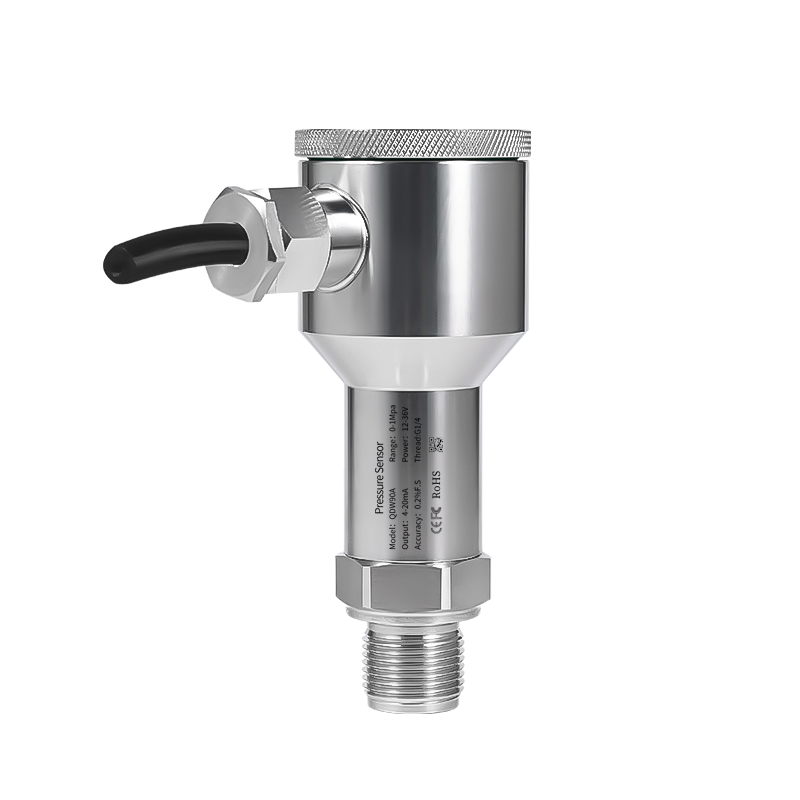
Upgrading facility instrumentation requires a systematic assessment of existing infrastructure, environmental hazards, and data consumption requirements. Selecting the correct device ensures seamless integration and maximizes the predictive capabilities of the new hardware. You must evaluate your plant's specific needs before writing a specification sheet.
The Highway Addressable Remote Transducer protocol remains the industry standard for bridging legacy analog systems with modern digital diagnostics. A HART smart pressure transmitter superimposes a high-frequency digital signal over standard 4-20mA wiring using Frequency Shift Keying. The primary process variable travels to the controller via the analog loop. Diagnostic data, secondary variables, and configuration commands travel simultaneously via the digital signal.
Evaluating compatibility with existing Distributed Control Systems and Asset Management Systems is mandatory. Facilities must ensure their input cards are HART-capable to parse the digital data stream. When integrated correctly, this bi-directional communication transforms maintenance workflows. Technicians can interrogate the device, modify measuring ranges, and run diagnostic routines directly from the control room. This remote troubleshooting capability creates safer work environments. It drastically reduces the number of field trips required to diagnose instrument faults, particularly in hard-to-reach or hazardous locations.
While remote monitoring centralizes data analysis, field-level visibility remains essential. Maintenance technicians conducting rounds or performing manual interventions need immediate data access. Relying solely on control room communication can delay on-site troubleshooting and complicate physical calibration checks. You do not want a technician waiting on a radio call just to verify a zero trim.
Specifying a digital pressure transmitter with LCD display solves this operational gap. These integrated screens provide immediate, on-site access to primary pressure readings, secondary variables like temperature, and specific diagnostic error codes. Instead of hooking up a handheld communicator to interpret a generic fault light, a technician can look at the screen. They immediately see a "Sensor Open" or "Out of Range" message. Many modern displays also feature basic trend graphs. Field personnel can observe pressure fluctuations in real-time while manually stroking a valve or adjusting a pump.
Industrial facilities frequently contain zones with explosive gas or dust atmospheres. Upgrading instrumentation in these areas requires strict adherence to hazardous location classifications, such as Class/Division or ATEX Zone ratings. The challenge lies in deploying advanced predictive technology without compromising the physical safety of the plant.
Selecting an explosion-proof pressure transmitter with digital display ensures compliance in volatile environments. These units feature heavy-duty, flameproof enclosures. They are designed to contain any internal electrical spark or explosion, preventing it from igniting the surrounding atmosphere. Despite their ruggedized physical builds, they retain full digital functionality and local visibility. Technicians can view diagnostic data safely through explosion-proof glass windows. You maintain predictive capabilities in the most dangerous plant zones without violating safety protocols.
Technical specifications hold little value unless they translate directly into measurable operational improvements. Mapping instrument features to specific predictive maintenance outcomes helps justify the upgrade and guides the implementation strategy. We need to look at how these devices actually change daily operations.
Traditional calibration requires technicians to isolate the instrument. They apply known physical pressures using a deadweight tester and manually adjust the zero and span potentiometers. This process is labor-intensive and introduces the potential for human error. Smart transmitters log historical calibration data internally. They create a permanent record of their performance over time. They continuously compare current sensor behavior against these historical baselines to detect unacceptable sensor drift.
When drift exceeds predefined tolerances, the system generates an alert. This enables adaptive calibration strategies. Instead of calibrating every transmitter in a unit every six months, maintenance teams only calibrate the specific devices that report drift. This targeted approach reduces the frequency of manual calibration cycles. It frees up skilled labor for more critical tasks and eliminates unnecessary wear and tear on manifold valves and impulse lines.
Implementing an adaptive calibration workflow involves several distinct steps:
Establish baseline performance metrics for the transmitter during initial commissioning.
Configure the asset management system to monitor the device's internal drift diagnostics continuously.
Set acceptable deviation thresholds based on the specific process tolerance requirements.
Generate automated maintenance work orders only when a device crosses the established drift threshold.
Perform a targeted field calibration on the flagged device, updating the internal baseline upon completion.
Predictive alerts and pattern recognition allow facilities to schedule maintenance during planned outages. You stop reacting to sudden instrument failure. If a transmitter reports a degrading internal temperature sensor, the control room can monitor the degradation rate. They order a replacement unit weeks before the sensor fails completely. This proactive approach eliminates the need for expedited shipping costs and emergency overtime labor.
These diagnostics also protect larger, more expensive capital equipment. Consider a large centrifugal pump operating in a critical cooling water loop. If the suction strainer begins to clog with debris, the inlet pressure drops, leading to cavitation. Cavitation causes severe vibration and rapid destruction of the pump impeller and mechanical seals. A smart transmitter monitoring suction pressure can detect the high-frequency noise signature of early-stage cavitation. It alerts the control system to throttle the pump or switch to a standby unit long before traditional vibration sensors trigger a hard shutdown. This early pressure anomaly detection prevents catastrophic equipment damage, avoids days of unplanned downtime, and saves tens of thousands of dollars in pump rebuild costs.
Diagnostic Alert | Potential Cause | Predictive Action Required |
|---|---|---|
Sensor Out of Limits | Process pressure exceeds the physical range of the diaphragm. | Verify process conditions; check for pressure spikes or blockages. |
Electronic Temp High | Ambient temperature near the housing exceeds safe operating limits. | Inspect local environment for radiant heat sources; install heat shields. |
Plugged Impulse Line | Debris, freezing, or sludge blocking the process connection. | Schedule line blowdown or heat trace inspection before signal loss. |
Loop Current Error | Analog output does not match the digital primary variable. | Inspect wiring integrity, terminal blocks, and power supply voltage. |
Adopting smart instrumentation introduces specific friction points that facilities must manage to realize the full benefits of predictive care. Addressing these risks during the planning phase ensures a smooth transition and high user adoption. You cannot simply install the devices and expect immediate results without proper integration.
Legacy control systems present a significant hurdle. Many older PLC or DCS installations use standard analog input cards. These cards strip away the digital HART signal, treating the smart transmitter as a basic 4-20mA device. This renders the advanced diagnostics and multi-variable outputs useless.
Facilities do not need to rip and replace their entire control architecture to solve this. Utilizing HART multiplexers allows technicians to strip the digital signal from the wiring loop before it reaches the legacy input card. The multiplexer routes the diagnostic data parallel to the control system directly into an Asset Management System. Alternatively, wireless gateways can be installed on the transmitters. They broadcast diagnostic data via WirelessHART or ISA100 protocols, bypassing the legacy wiring infrastructure entirely.
Smart instruments generate massive amounts of data. If every minor diagnostic flag triggers an alarm in the control room, operators quickly experience alarm fatigue. They begin acknowledging and ignoring alerts. This defeats the purpose of predictive maintenance and increases the risk of missing a critical warning.
Establishing strict alarm management protocols mitigates this risk. Facilities must configure transmitter alerts based on a criticality matrix. Minor issues, such as a slight temperature deviation in the electronics housing, should route directly to the maintenance department's daily log. Only critical process anomalies, such as a plugged impulse line or imminent sensor failure, should trigger an audible alarm for the board operator. Applying AI-filtered anomaly detection within the AMS helps consolidate related alerts. It presents personnel with actionable insights rather than raw data streams.
Installing intelligent field devices requires a parallel investment in workforce training. Maintenance technicians accustomed to purely mechanical troubleshooting must learn to navigate digital interfaces and interpret diagnostic codes. A smart device is only as effective as the technician analyzing its data. Facilities should partner with instrumentation vendors to provide hands-on training sessions. Technicians need to understand how to connect handheld communicators, navigate device menus, and execute loop tests. Furthermore, control room operators must be trained to differentiate between process alarms and instrument health alerts. Developing clear standard operating procedures for responding to specific diagnostic flags ensures the maintenance team maximizes the predictive capabilities of the new hardware. This upskilling process transforms a reactive maintenance crew into a proactive reliability team.
Smart pressure transmitters serve as the foundational data nodes required for any viable predictive maintenance program. They bridge the gap between raw physical measurement and actionable asset intelligence. Facilities can anticipate failures, optimize calibration schedules, and protect critical infrastructure.
To begin upgrading your instrumentation, follow these actionable steps:
Conduct a criticality assessment of existing pressure nodes to identify which processes suffer most from unplanned downtime or measurement drift.
Audit your current control system infrastructure to determine HART compatibility and identify where multiplexers or wireless gateways are required.
Define environmental requirements for each measurement point to ensure proper specification of explosion-proof or intrinsically safe housings.
Initiate a pilot program replacing top-tier critical analog transmitters with smart variants to benchmark diagnostic data integration and trend analysis before executing a plant-wide rollout.
A: A smart pressure transmitter utilizes an internal microprocessor to digitize the sensor signal. This enables bi-directional communication, multi-variable measurement, automated temperature compensation, and advanced self-diagnostic capabilities to monitor device health continuously.
A: It superimposes digital diagnostic data over standard 4-20mA wiring. This allows technicians to perform remote configuration, run diagnostic checks, and monitor sensor health from the control room, drastically reducing the need for manual field inspections.
A: Yes. Modern LCD screens provide immediate on-site visibility. They display specific diagnostic error codes, multi-variable readouts, and basic trend graphs, allowing field technicians to troubleshoot issues without needing a handheld communicator.
A: Absolutely. Manufacturers offer explosion-proof and intrinsically safe models designed specifically for volatile environments. These ruggedized units retain full digital functionality, advanced diagnostics, and local display capabilities while complying with strict safety certifications.
A: They use Statistical Process Monitoring to analyze the high-frequency noise signature of the pressure signal. A plugged line flattens this noise profile, allowing the transmitter to detect the blockage and alert operators before the primary pressure reading is affected.
A: No. If your legacy control system cannot process digital diagnostics, you can install HART multiplexers or wireless adapters. These devices route the diagnostic data directly to an Asset Management System, bypassing the older control infrastructure entirely.


